an icon of a territory and one of the most well-known wines in the world!
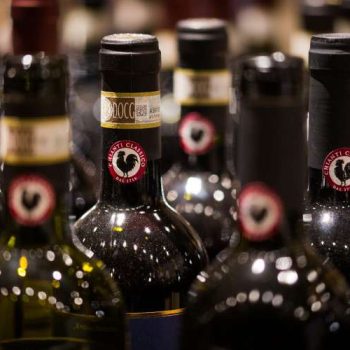
If you’ve ever picked up a bottle of Italian red wine and spotted a little black rooster on the neck, you’ve already met Chianti Classico. But what does it actually mean?
The Black Rooster (Gallo Nero) is the iconic, historic symbol of Chianti Classico, representing the Consortium of producers, authenticity, and high-quality standards in Tuscany.
Key Details About the Black Rooster
Classifications
 What is Chianti Classico?
Chianti Classico is a historic subregion within the broader Chianti wine area of Tuscany, Italy. While “Chianti” today can refer to a large and varied production zone, Chianti Classico refers to the original heart of the Chianti region – its first legally defined boundary, set as early as 1716.
It’s not just about geography – it’s about identity and quality. Chianti Classico is legally distinct and not a sub-zone of Chianti DOCG. It has its own DOCG status and stricter rules.
Chianti Classico wines must be:
What does Chianti Classico taste like?
Chianti Classico wines are known for their bright acidity, firm tannins, and red fruit flavours – think sour cherry, plum, and cranberry, with savoury notes of dried herbs, leather, and tobacco.
Thanks to the higher altitude vineyards, which slow the ripening process, the wines often show more freshness (acidity) and herbal aromas than Chianti DOCG wines grown at lower elevations. These wines pair beautifully with:
The three styles of Chianti Classico
There are three tiers of Chianti Classico DOCG, each with increasing ageing requirements and often higher quality:
Complex, cellar-worthy wines with serious pedigree.
 What’s the deal with the black rooster?
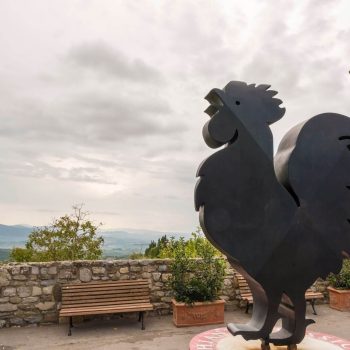
Ah yes, the Gallo Nero. It’s more than just a logo. The black rooster is the official symbol of the Chianti Classico and has deep historical roots.
The legend goes like this:
In the 13th century, Florence and Siena were fighting over the Chianti territory. To settle the dispute, they agreed to a contest. At sunrise, a horseman from each city would ride toward the other. Where they met would set the new border. The starting signal? A rooster’s crow.
Florence chose a black rooster and kept it hungry so it would crow earlier. Siena used a well-fed white rooster who crowed later. The Florentine knight got a head start and claimed more land.
Since then, the black rooster has symbolised Chianti Classico, appearing on every certified bottle.
Is Chianti Classico worth it?
If you’re looking to get into Italian wine, Chianti Classico is a brilliant place to start. It offers age-worthy expressions of Sangiovese, a strong sense of place, and outstanding value – especially compared to Brunello di Montalcino and Vino Nobile di Montepulciano.
Whether you’re grabbing an Annata to pair with pizza, a Riserva for steak, or a Gran Selezione to cellar for a decade, there’s a Chianti Classico for every occasion.
Final sip
Chianti Classico isn’t just a label, it’s a symbol of quality, tradition, and pride. Backed by centuries of winemaking and the unmistakable black rooster, these wines offer structure, character, and story in every glass.