Situated in Northern Italy on the border with Austria, the region of Trentino Alto Adige has become a haven for those looking to escape the daily grind.
Trentino-Alto Adige brings the best of Germanic and Italian ways of life together to create a unique culture in its food, wine and traditions.
With many Italians looking to Trentino Alto Adige for their yearly dose of clean air and open space, the area is often devoid of foreign tourists and provides an almost hidden gem for those looking to forego the bigger cities of Venice or Milan.
Being one of the most northerly wine regions in Italy, Trentino Alto Adige has developed a wine culture just as unique as its history. Long ruled over by the Austrians, many of the regions grape varieties share commonalities with their Germanic cousins. One of the varietals to have made its way to the region is the Gewürztraminer.
Used primarily for white wines, Trentino Alto Adige’s cooler climate provides the perfect growing environment. Considered one of Northern Italy’s epicenters for Pinot Grigio, Trentino Alto Adige has seen the grape variety garner increased global popularity.
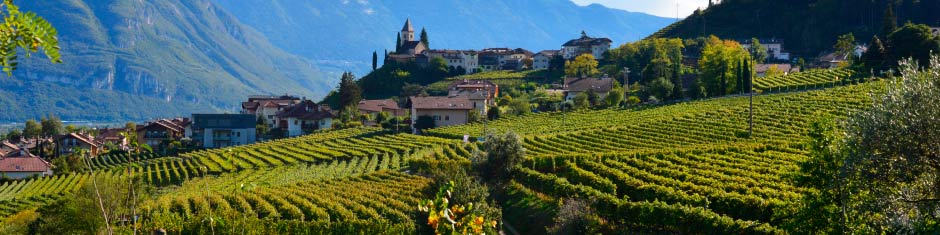
The terroir of Alto Adige Wine Region is a complex and multifaceted concept that has been debated and discussed in various contexts. The Terroir of the Alto Adige wine region has been studied since the beginning of wine history. In particular, it has been heavily researched by several scholars such as Jancis Robinson in her book “Wine Grapes” (1981). and Michael Broadbent in his book “Wine Grapes and Wine Making” (2012).
The soil of the Alto Adige wine region is composed of various types of rocks and minerals. The most important mineral that makes the soil fertile is potassium, which can be found in the form of clay, sand, and claystone. The other vital mineral for wine production is calcium. The soil of the Alto Adige wine region is also rich in magnesium, iron, and phosphorus. The terrain of the Alto Adige is highly variable concerning elevation and slope. The average altitude of the region ranges from 500 meters above sea level to 1,800 meters above sea level. There are three main types of terrain found: plains, hillsides, and mountains.
Alto Adige’s climate is characterized by cold winters and hot summers. These conditions make it possible to produce high-quality wines with balanced acidity, tannins, and alcohol. These characteristics make Alto Adige wines perfect for everyday drinking and special occasions such as weddings or banquets.