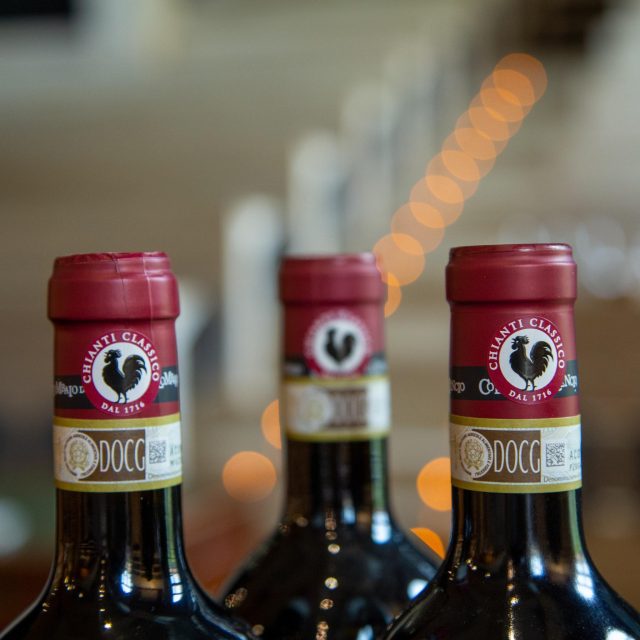
The Italian region of Tuscany is well known for the Sangiovese grape—a key player in the region’s famous Chianti Classico and Brunello di Montalcino wines. But half a century ago, when local winemakers began popularizing wines made with international grape varieties like Cabernet Sauvignon, Merlot and Syrah, the resulting wines—which often incorporated local Sangiovese—became known as Super Tuscans.
In the intervening decades, these wines have exploded in popularity. But unlike offerings like Chianti Classico, Super Tuscans aren’t made according to specific rules and regulations. The name “Super Tuscan” is, in fact, a marketing term—and a rather successful one at that.
International varietals had been in Tuscany since the 17th century. But this was when winemakers truly started experimenting, blending Italian grapes with international varieties with the goal of appealing to drinkers beyond Italy.
Many of the resulting bottles took influence from Bordeaux, with vintners using similar grapes and aging techniques to create much more structured wines. At the time, Bordeaux was growing rapidly in popularity and using them as an influence helped these wines—eventually dubbed “Super Tuscans”—gain international interest.
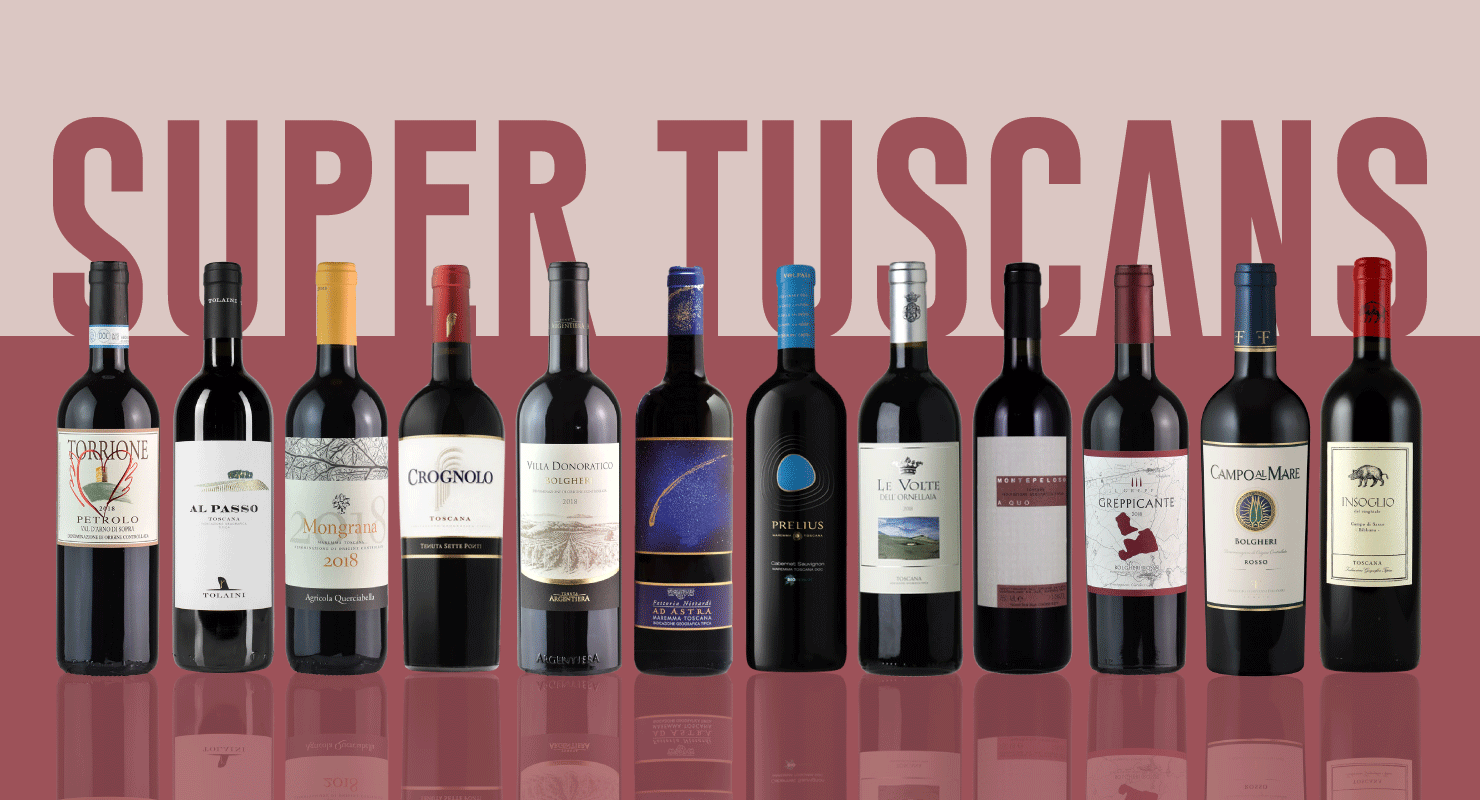
The beginning of the name “Super Tuscan” is hard to track. The term took hold in the early 1990s, when Italian journalists began using it. It’s thought to have spread from there. The term is used more conversationally and is not a legal designation or allowed on a bottle’s label.
But from a consumer perspective, the new style of wine was confusing. Because it didn’t adhere to the Italian appellation system, these bottlings were first referred to as basic table wines, or Vino de Tavola, a designation that also includes lower-quality wines. As Super Tuscans gained critical praise, however, their popularity and prices skyrocketed, leading producers to push for a new appellation or distinction to differentiate their wines on the bottle.
However, an IGT label is an imperfect way to spot a Super Tuscan, since it applies to a wide range of wines. Some IGT wines can be found for a few dollars (not a Super Tuscan), while others are priced well into the hundreds.
What Do Super Tuscans Taste Like?
“Super Tuscans can, in theory, taste like anything since their creation was specifically designed to give Tuscan wine producers a chance to colour outside of the lines. But they generally share some hallmark traits.
“What unites them is their rich, even brooding, dark fruit flavours, lush palates and long finishes. A great expression manages to be elegant and approachable right away even as it promises to develop yet more sophistication and depth over time.
Super Tuscans remain different from other Italian wines, even other traditional Tuscan wines. They usually have a deep red colour. On the palate, they are characterized by soft and sweet tannins.
Despite their international appeal, most of them are very territorial, meaning they express a great sense of place.
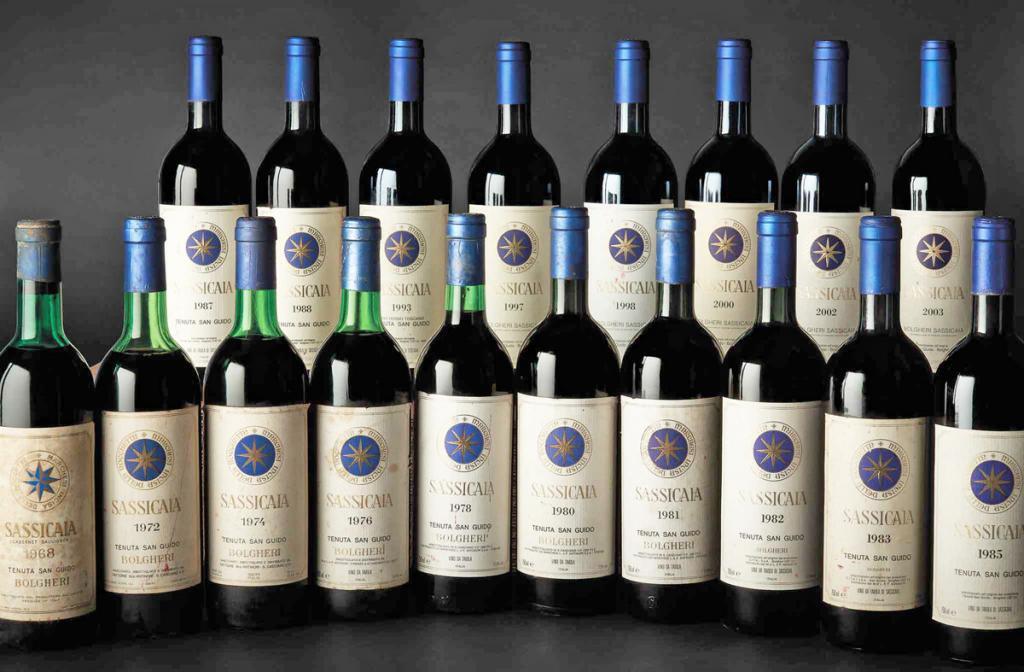
Some of the best Super Tuscan Producers:
Tenuta San Guido – Marchesi Antinori – Lodovico – Petrolo – Le Macchiole – Masseto – Luce – Fontodi – Montevertine – Castello di Bossi.