Bin-end. It is a term that is ubiquitous in the wine trade and yet one that, before I started working in the wine sector, I would have had a hard time defining. It seems like one of those “wine” terms specifically designed to make the uninitiated feel silly. Which is a shame, because held in those six letters are some of the best-kept secrets in the trade.
In this context, “bin” refers to the storage location of a wine. Cellars will often have “bin” numbers running their length, making it easy to find where wines are ageing or being stored, and indeed some wine brands have even turned this to their advantage, naming different blends after the bin numbers where they were originally held.
Bin-end, therefore, refers to the last few bottles of a line. But it has also been expanded to include those with scuffed or lightly scratched labels.
What is key to understand is that label imperfections or there only being a few bottles remaining will not affect the quality of the wine in the bottle – meaning bin-ends are an opportunity to source excellent wines at a keen price.
Those in the know, and certainly many of us in the trade, tend to seek out these wines, for a few reasons.
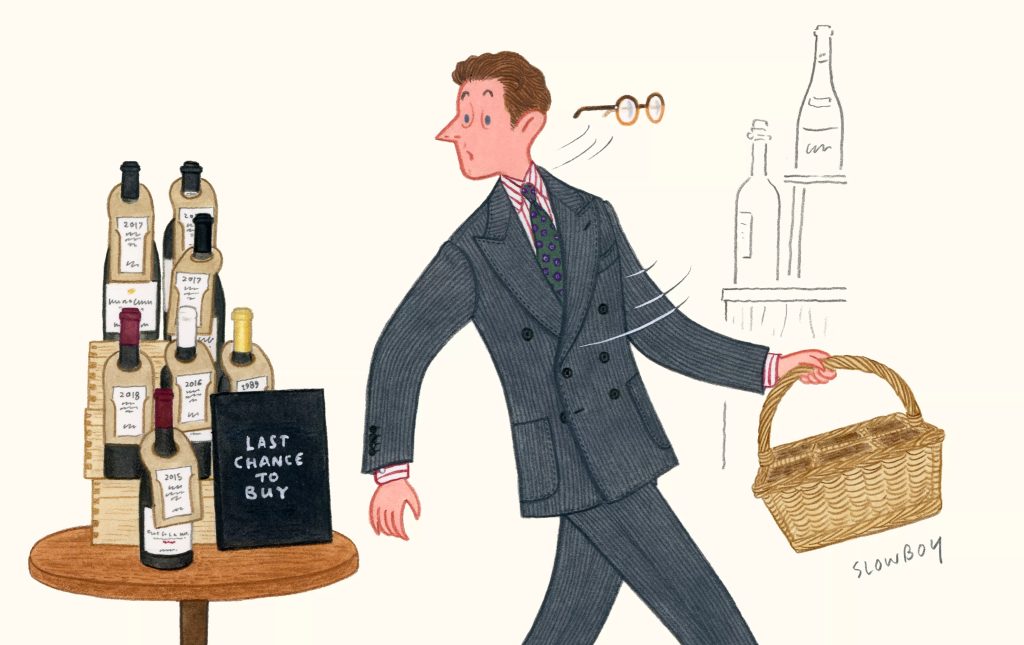
Generally around 30% off the retail price, these are a brilliant way to stock up on everyday drinking wine, or even bottles for special occasions, while saving money. Even after more than a decade in the wine trade, I still get a real thrill from leaving a wine shop having bagged what I know is a true bargain.
For you, it may be Australia; for others Germany or even Hungary , but the lower price of bin-end wines can make it worth taking a risk.