Cru translates to “growth.” More precisely, it references a great or superior growing site or vineyard, a concept linked to the French notion of terroir. Soil, climate, altitude, aspect and the right variety create a synergy recognized as a cru. Though the term is used throughout France, it’s not always applied in the same manner. The concept is also employed in countries like Germany and Italy, though with subtle differences and implications.
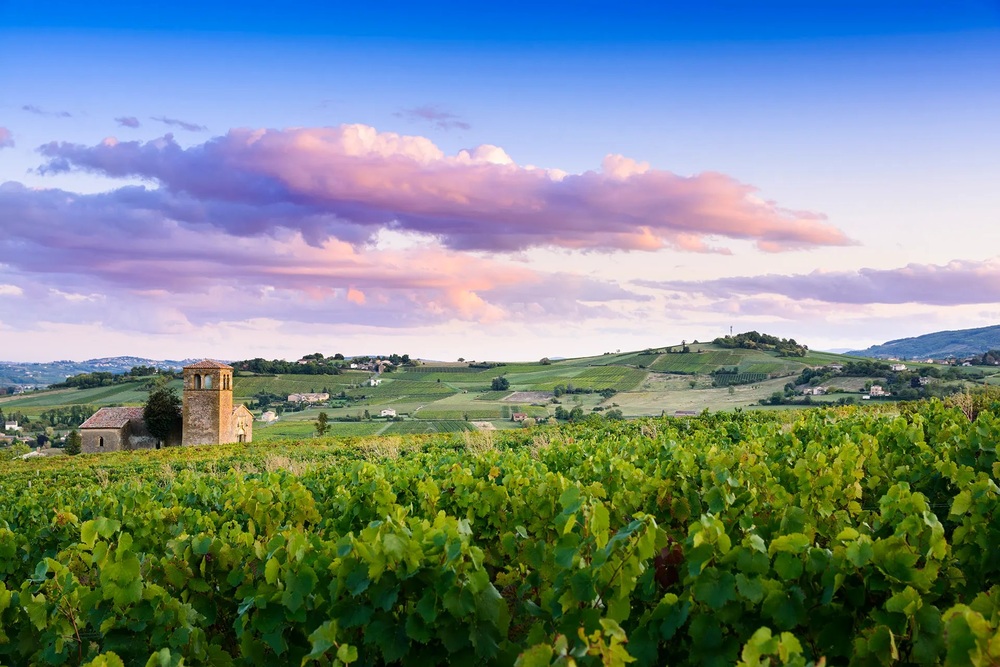
Burgundy
Burgundy can be a complex region to understand. Yet, its classification system is relatively simple. Grand Cru is the top dog, while the tier just below it is named Premier Cru.
A cru in Burgundy designates a high-quality vineyard. Often, they’re split into parcels owned by different wineries or estates. These classifications are based on observation that began with 12th-century Cistercian and Benedictine monks in the Côte d’Or. Every vineyard in Burgundy is classified into this hierarchy. Grand Cru is at the top of the pyramid, followed by Premier Cru, the “village” wines, with the generic Bourgogne category at the bottom.
Burgundy’s Cru Hierarchy
• Grand Cru
• Premier Cru
• “Village” wines
• Bourgogne
Each of the 33 Grand Crus is its own appellation, and only Pinot Noir or Chardonnay are grown within their boundaries. Very few appellations allow both. Premier Cru wines are less expensive and often a better value, though their long-term aging potential is typically less.
Chablis, uniquely, has one Grand Cru appellation that encompasses seven vineyards. The seven sites have favorable southwest exposure that helps ripen the grapes and overlooks the town of Chablis. Premier Cru is the category just below it.
Bordeaux
In Bordeaux, cru is applied much differently. Grand Cru Classé is the best-known quality classification system, and it’s tied to a specific chateau or estate, rather than a contiguous vineyard. Created in 1855, it comprises only left bank chateaus in Médoc, Graves and Sauternes, ranked from first to fifth growths, based on their value at that time. The first growths are called premiers crus, while second through fifth growth crus are called crus classés.
On the right bank. Pomerol isn’t classified. But Saint-Émilion provides enough confusion for both.
St.-Émilion has two chateau-based quality classifications, though it adds a separate third category. At the top of the quality-pyramid is Premier Grands Crus Classés, of which there are 18, followed by Grands Crus Classés which contains 64 chateaus. The appellation’s third category is not tied to a specific ‘classed’ chateau or geographical subzone. Wines labeled “St.-Émilion Grand Cru” merely have more stringent production rules.
The crus in the rest of France
Alsace applies the term Grand Cru in similar fashion to Burgundy. Fifty-one vineyards have been designated superior, or Grand Cru, and wine from those sites can use the term on its label. There’s incredible diversity in Alsatian Grand Cru wines, with four grapes approved for use, as well as varied soils and aspects.
Not far from Burgundy sits Beaujolais, France’s Gamay headquarters. There, cru is applied not to vineyards, but villages. There are 10 villages, like well-known Morgon and Fleurie. Wines produced from these villages are called Cru Beaujolais.
Similar to Beaujolais, Champagne classifies whole villages as Grand Cru or Premier Cru sources for fruit. Called échelle des crus, or “ladder of the growths,” the Champenois established the system in the early 20th century to fix grape prices for both farmers and buyers at Champagne houses.
Each harvest, a price is set. A grower with land in one of Champagne’s grand cru village receives 100% of the price. Fruit from premier cru villages earns from 90% to 99%, while the rest receive from 80% to 89%. Today, there are 17 grand cru villages that include Aÿ, Bouzy, Cramant and Oger.


Leave a comment